How can you stop good design getting lost in the process?

Authored by Simon Kincaid, Partner and Principal


Something is happening to workplace design: expectations have risen. Clients are no longer asking for offices that simply function, look beautiful or follow current trends. They are asking for environments that feel premium, considered and memorable. 

They want workplaces that people genuinely desire spending time in, that foster collaboration, wellbeing and connection and – ultimately – inspire employees, guests and collaborators.
 

One of the biggest shifts we’ve seen in recent years is how informed clients have become. They know what good design looks like because they experience it every day. Whether it’s a hotel, a members’ club, a restaurant or a retail space, they instinctively understand the impact of great lighting, acoustic comfort, intuitive layouts and high-quality materials. They know how these environments make them feel, and they want to bring that same quality of experience into the workplace.
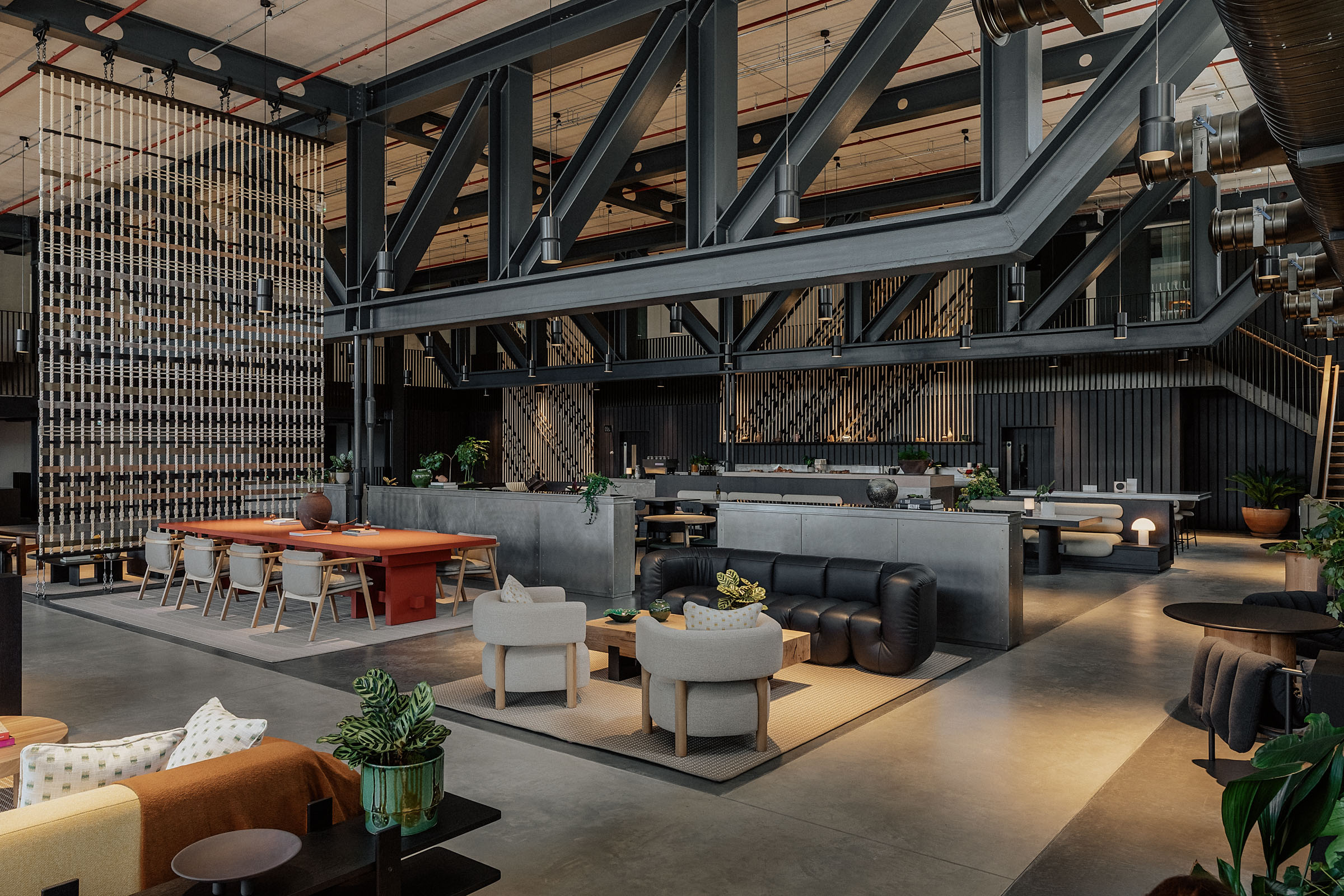

The ambition is there. The challenge in workplace design is making sure it survives the journey from brief to reality.


A client might say they want “the best café in the area”, “a lobby like a luxury hotel”, “a world-class boardroom” or “spa-quality end-of-trip facilities”, but unless those ambitions are clearly benchmarked, budgeted and agreed by everyone involved from the outset, the very elements that define the experience become items to review, reduce or even remove.


Fast forward to completion day, and you mayhear the same words: “I wish we had invested more in that.” More often than not, clients are referring to the very elements that were part of a shared original vision but gradually diluted, edited, de-prioritised, cost-saved and forgotten along the way.
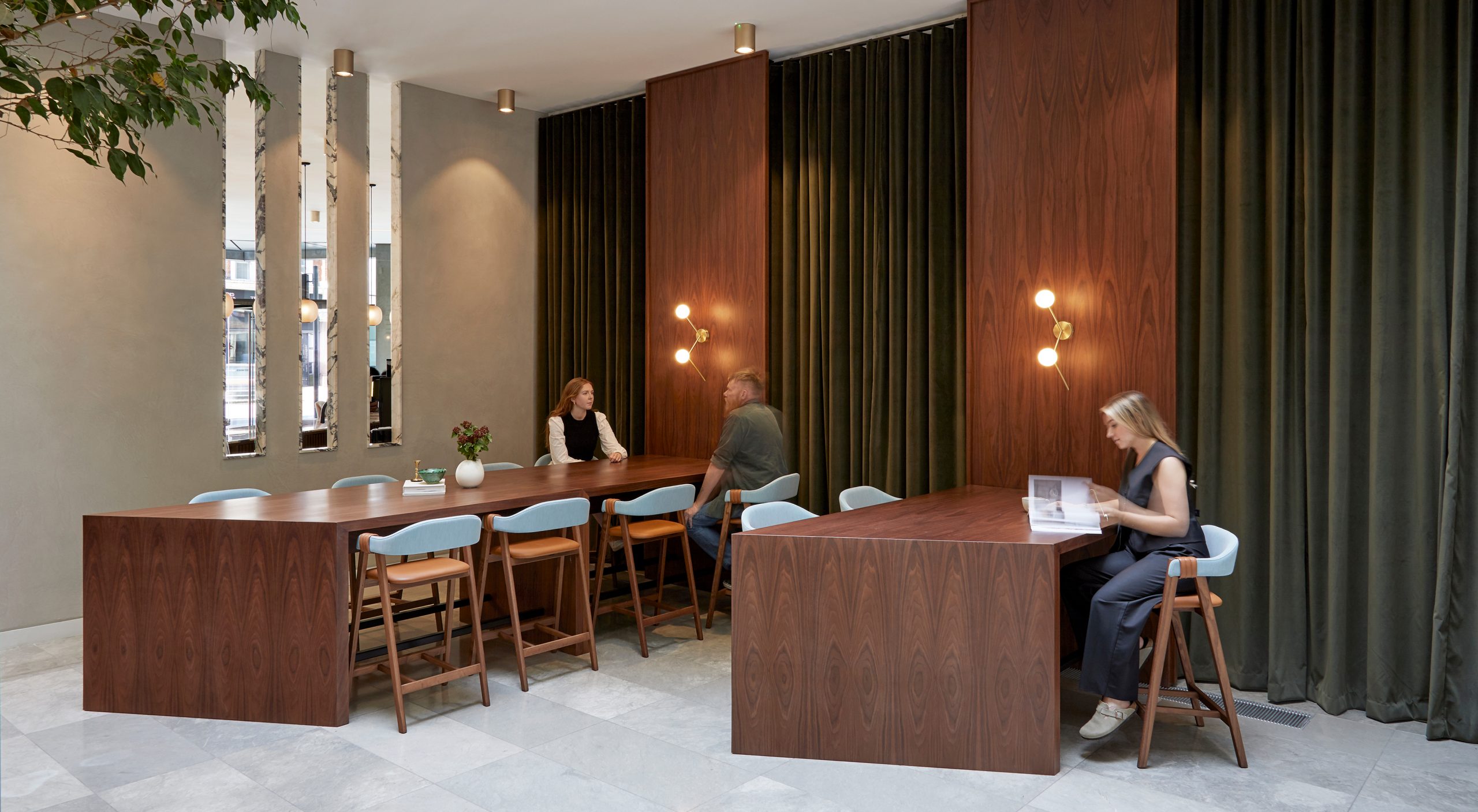

 

Think about joining a video call with poor acoustics. You find yourself working harder to concentrate, the conversation becomes less natural, and you start to disengage. The same principles apply to physical spaces. Poor lighting planning, uncomfortable furniture and inadequate acoustics all affect how we feel in a space.
 
That is why the early stages of a project matter so much. Before talking about finishes or furniture, the whole team needs to agree what a successful space feels like. What experience are we trying to create? What should never be compromised? At Cornan and Partners, we believe the answer is to develop a shared creative vision and brief at the outset and maintain design guardianship throughout the project, ensuring that every decision is measured against the original ambition rather than the pressure of the moment.

“Creating a premium workplace isn’t simply about spending more. It’s about protecting the decisions that matter most from the very beginning.”

As companies continue the battle to attract staff back to the office, we should ask ourselves a simple question. Would you ever choose a restaurant with uncomfortable lighting, a spa with poor acoustics or a shop where products are difficult to find? If the answer is no, how can we blame employees for not wanting to spend more time at the office?

Creating a premium workplace isn’t simply about spending more. It’s about protecting the decisions that matter most from the very beginning. The strongest projects are those where the vision is benchmarked, aligned with operational requirements, supported by realistic budgets and protected throughout delivery.
 
It’s easy to talk the talk. Design guardianship is how you make sure a project walks the walk.