
NEWS: Conran and Partners joins DLR Group
We are pleased to announce that Conran and Partners has joined DLR Group, the global integrated design firm.
Read the full announcement to learn what this means for our studio, our clients and our work.
We sat down with lead designers Luke Baran-Bisset and Rebekka Ranjan to explore the vision behind The Maple, a key element of Related Argent’s new neighbourhood at Brent Cross Town. Designed as a lifestyle-focused Build-to-Rent development, The Maple combines warm, contemporary interiors with a dual design narrative and amenities shaped around wellbeing, community, and future-ready living.
Here, they discuss the principles, trends, and design decisions that shaped The Maple and how it sets a benchmark for the evolving BTR landscape.
What were the key design principles behind The Maple, and how did you ensure they aligned with Related Argent’s commercial goals?
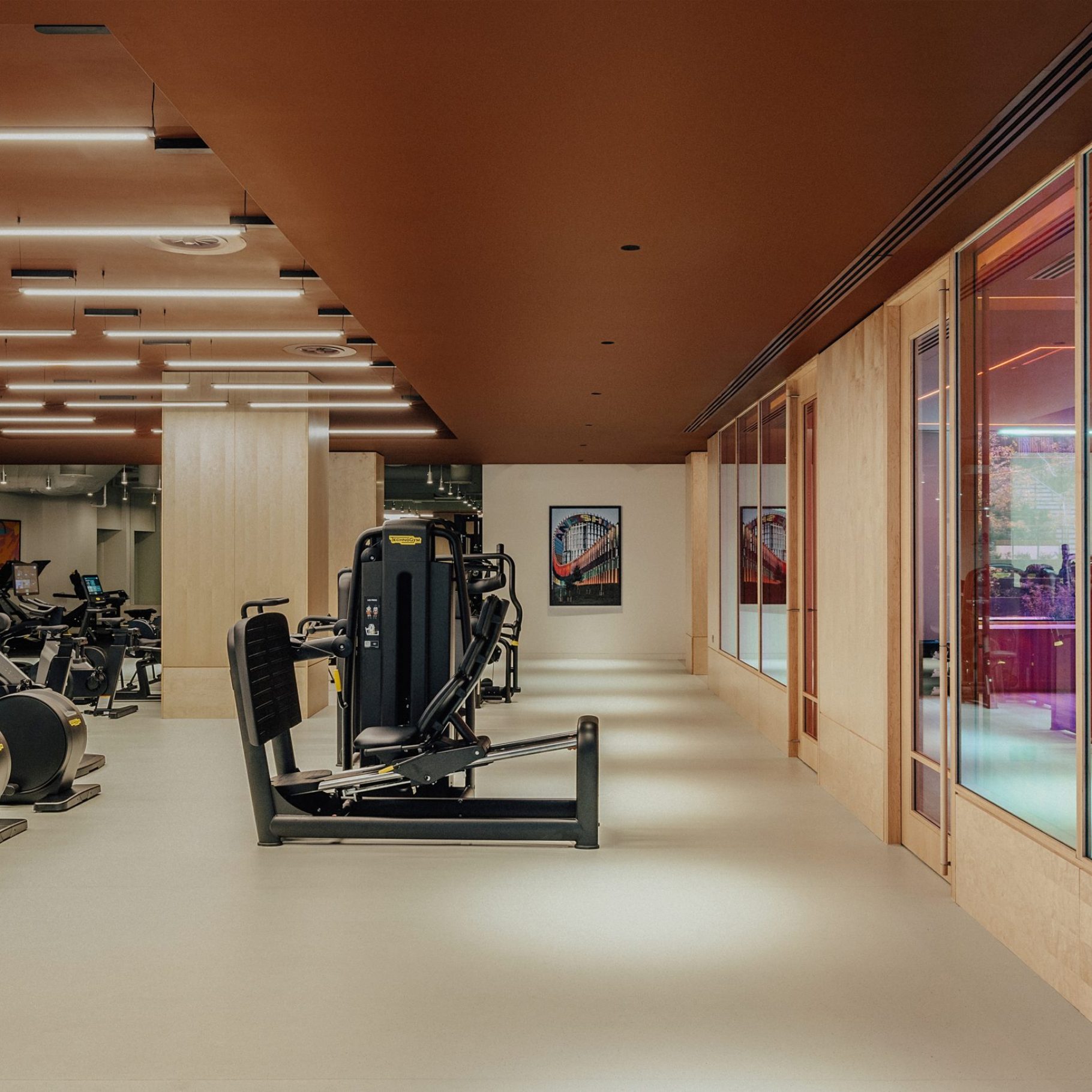
LUKE: Our design for The Maple was guided by a set of key principles centred on community, quality, lifestyle, and long-term value creation, all of which directly supported the client’s commercial vision for Brent Cross Town as a vibrant new mixed-use neighbourhood. The Maple was designed around the evolving lifestyle expectations of modern renters – offering a balance between private comfort and communal experience. Amenities such as shared lounges, co-working spaces, fitness studios, and landscaped terraces were integrated to promote wellbeing, convenience, and social connectivity, whilst the apartments combine high-quality materials, efficient layouts, and abundant natural light and views to create a living experience that is both aspirational and practical. Together with its integration into the wider masterplan, the interiors of The Maple deliver a design-led, lifestyle-focused Build-to-Rent product that enhances both resident satisfaction and long-term value for Related Argent.
In the BTR sector, design isn’t just about style, but also about long-term value. How did your design decisions support durability and efficiency for the client?
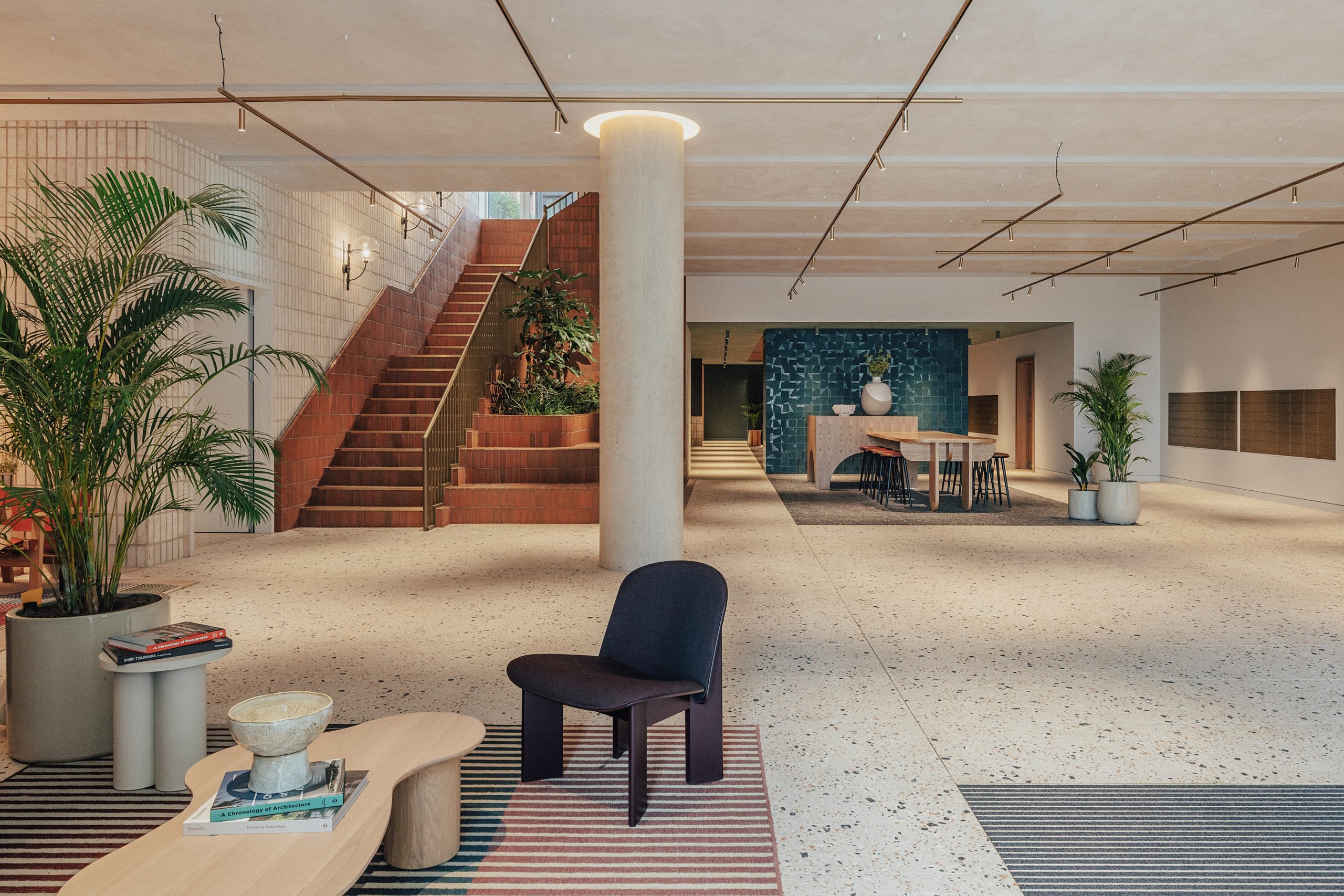
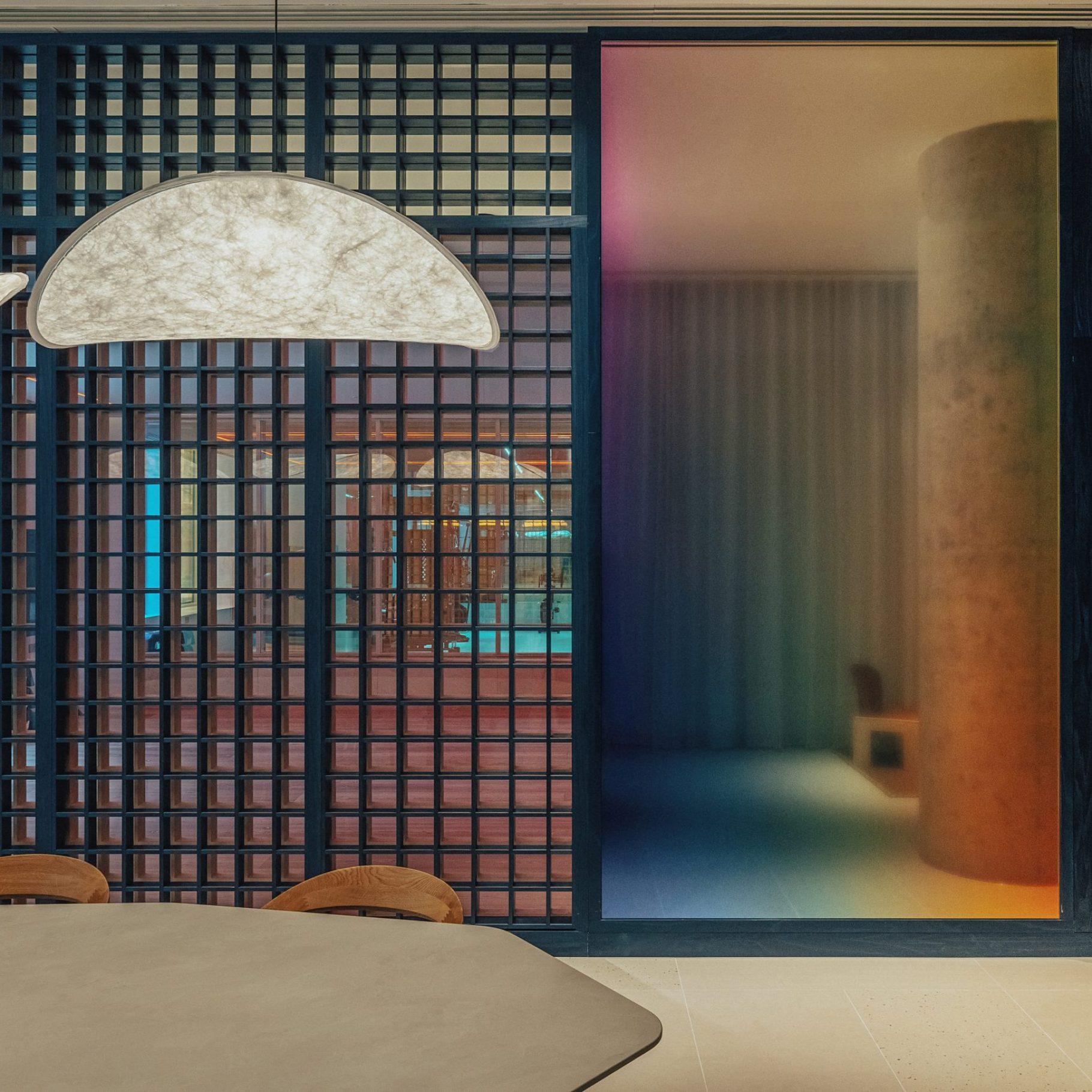
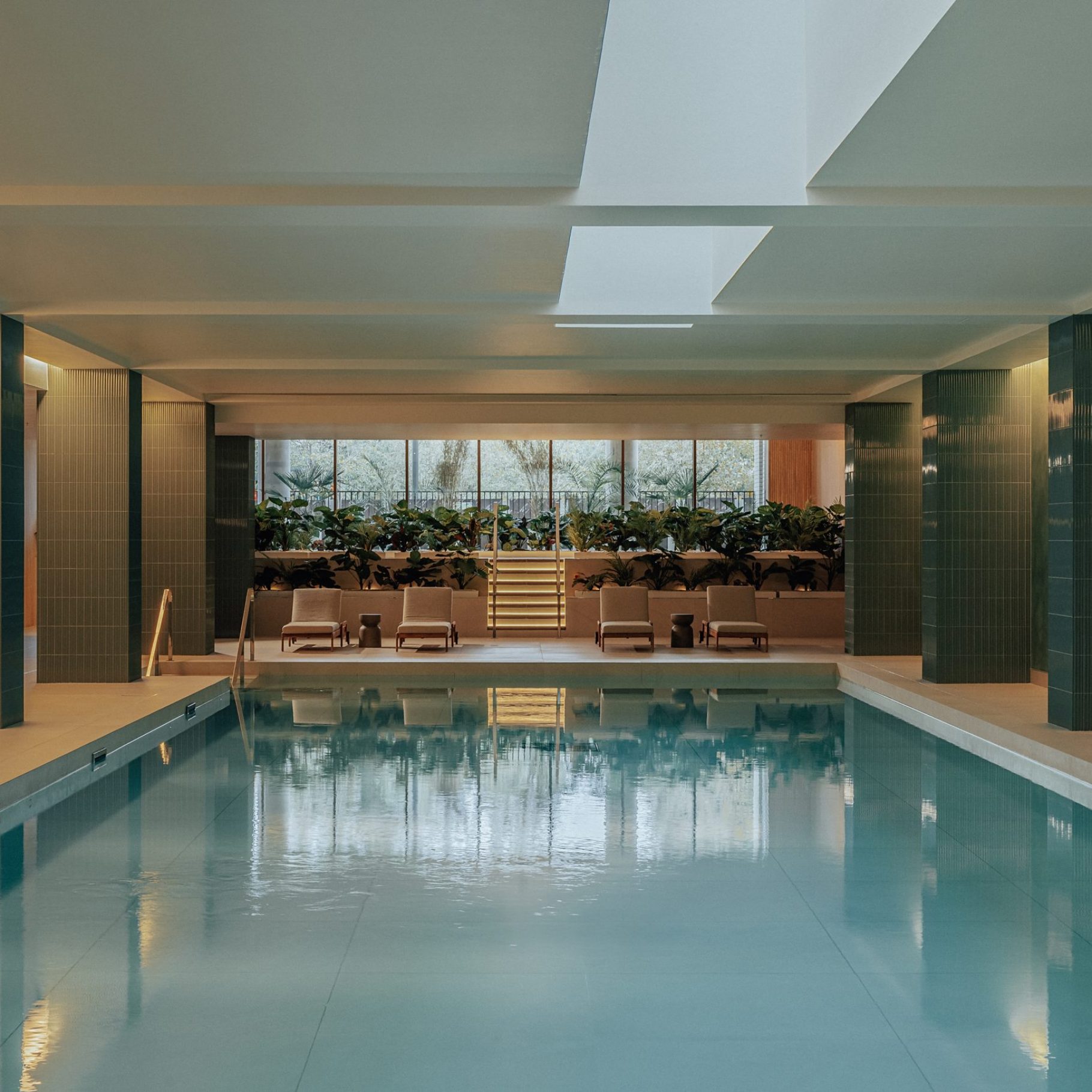
REBEKKA: Combining thoughtful material selection with considered detailing and modular construction has been central to ensuring durability and longevity. We developed integrated details that retain a residential feel while also supporting efficient operational maintenance, an approach informed by our experience in both hotel and commercial design. Our material choices throughout the project reflect a commitment to quality and timeless design, underpinned by a refined, high-end aesthetic. In the amenity spaces, we’ve incorporated prime porcelain tiles, handmade bricks, and crafted timber panelling across walls, floors, and staircases. In the apartments, quartz worktops are paired with high-quality appliances, fixtures, and fittings to create a sophisticated and enduring interior environment.

How did you approach creating interiors that appeal to a broad demographic while still giving the development a strong and distinctive identity?
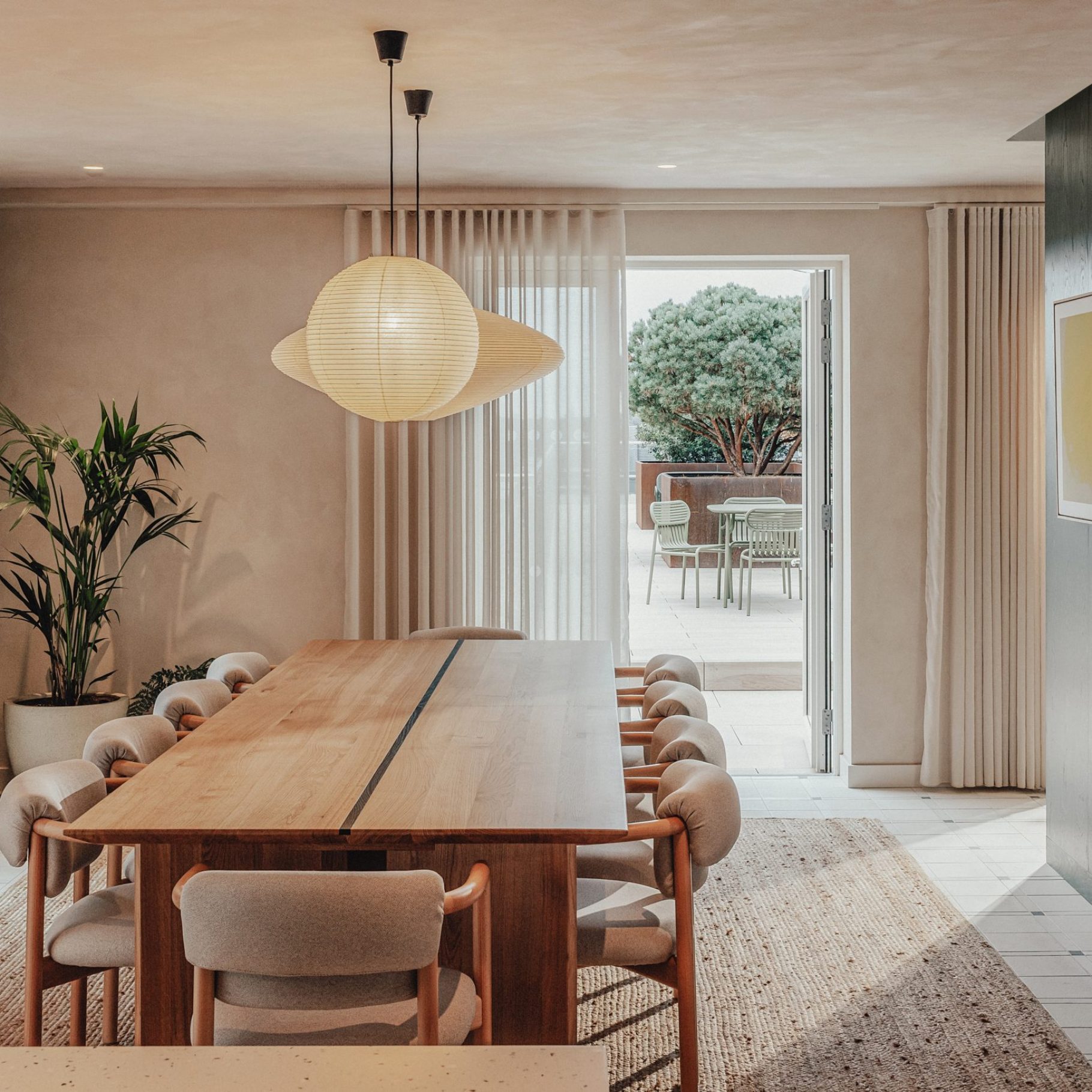
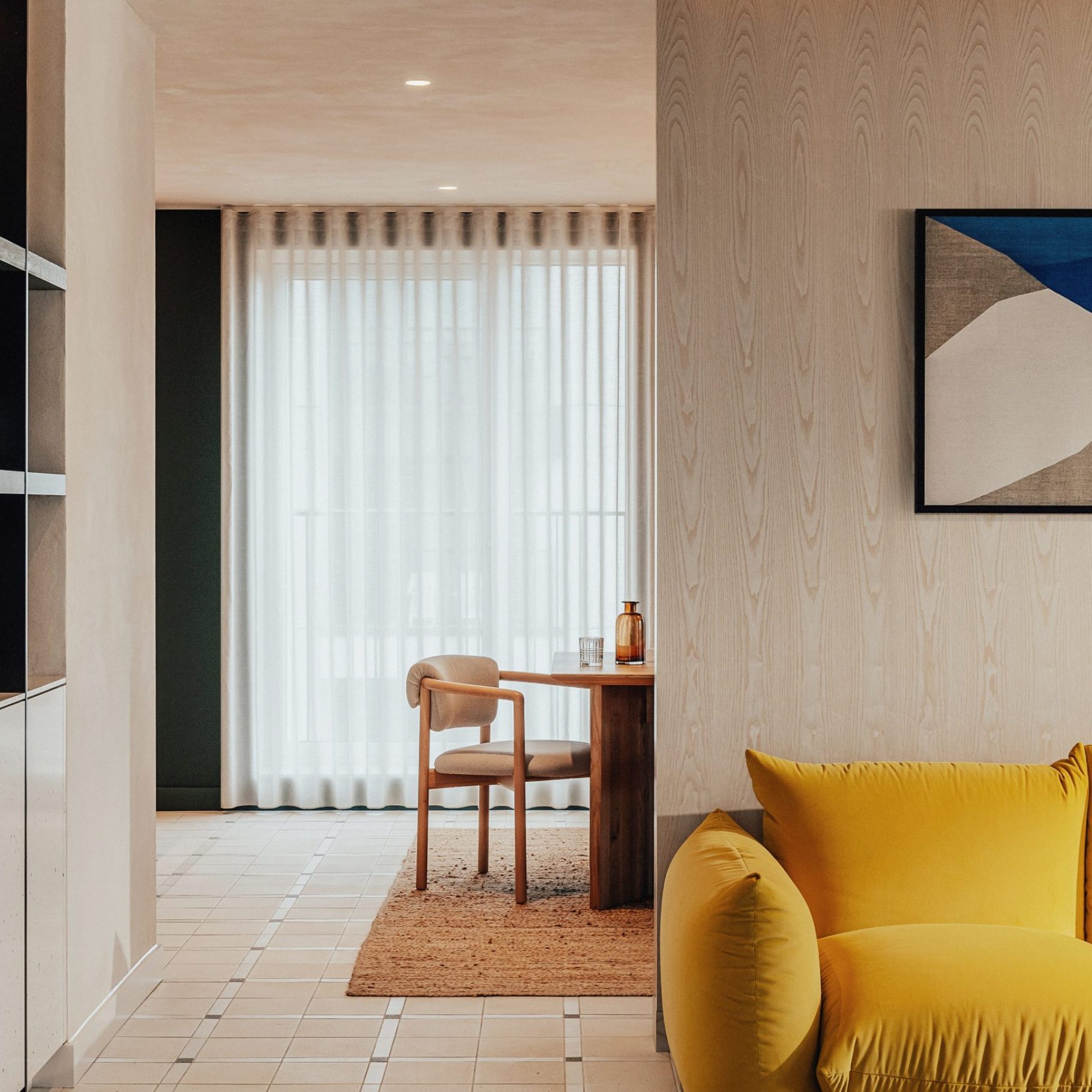
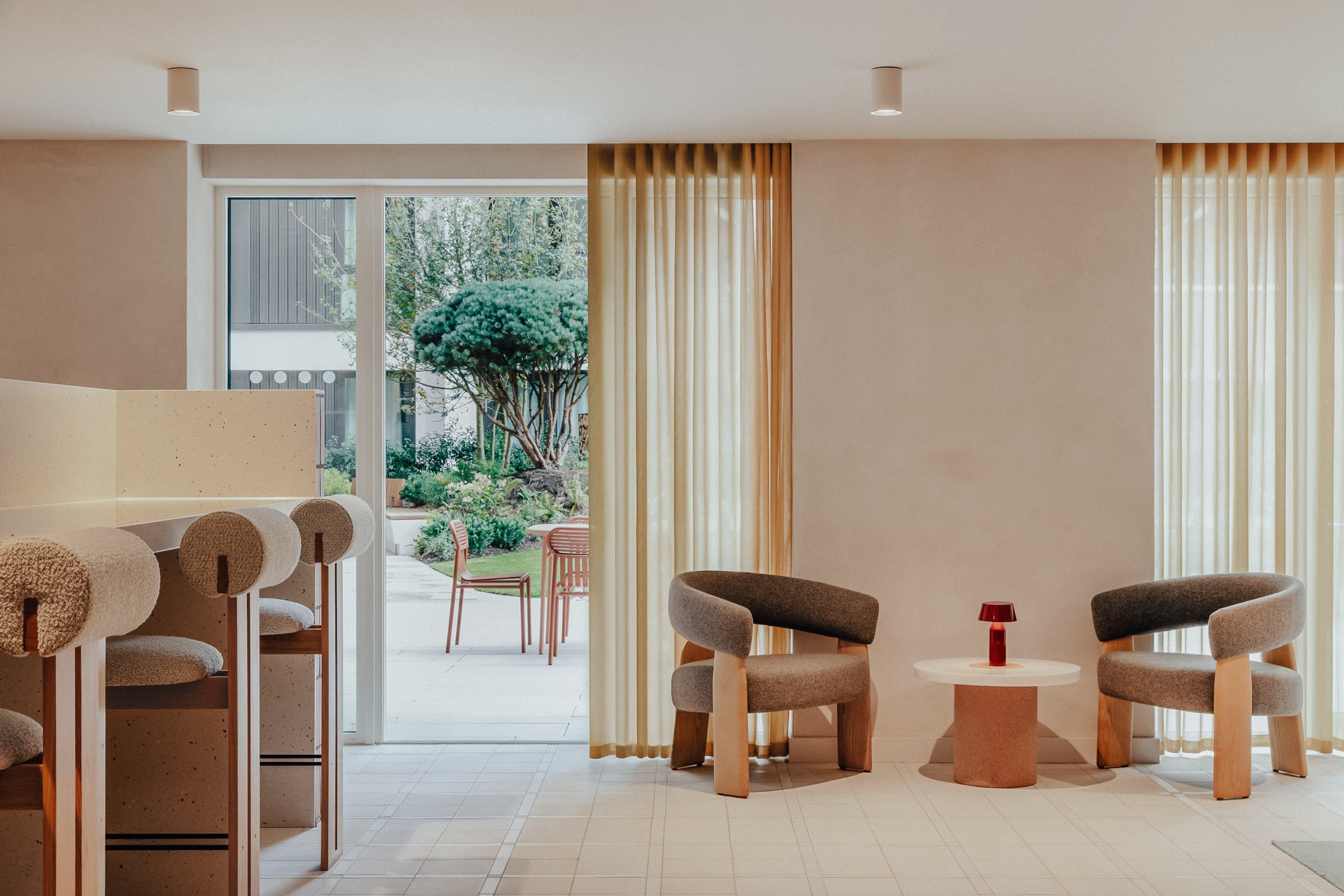
LUKE: Our approach carefully balanced broad appeal with a distinctive, place-specific identity. The concept was rooted in contrast and context, expressed through two complementary design palettes. One building draws inspiration from the urban energy of the neighbourhood square, with richer tones, tactile finishes, and a more contemporary aesthetic. The other reflects the natural surroundings of the adjacent Claremont Park, with lighter materials, softer textures, and a calmer, more organic feel. This dual approach allows The Maple to resonate with a diverse demographic, from young professionals seeking dynamic, design-led spaces, to families looking for comfort, functionality, and connection to nature. Thoughtful layouts, adaptable interiors, and shared amenities support a variety of lifestyles, ensuring each resident can personalise and enjoy their home. The result is a cohesive yet flexible environment that combines individuality, timeless design, and broad market appeal.
The residential amenities at The Maple are a key factor to attract tenants. How did you design these spaces to foster community and wellbeing?
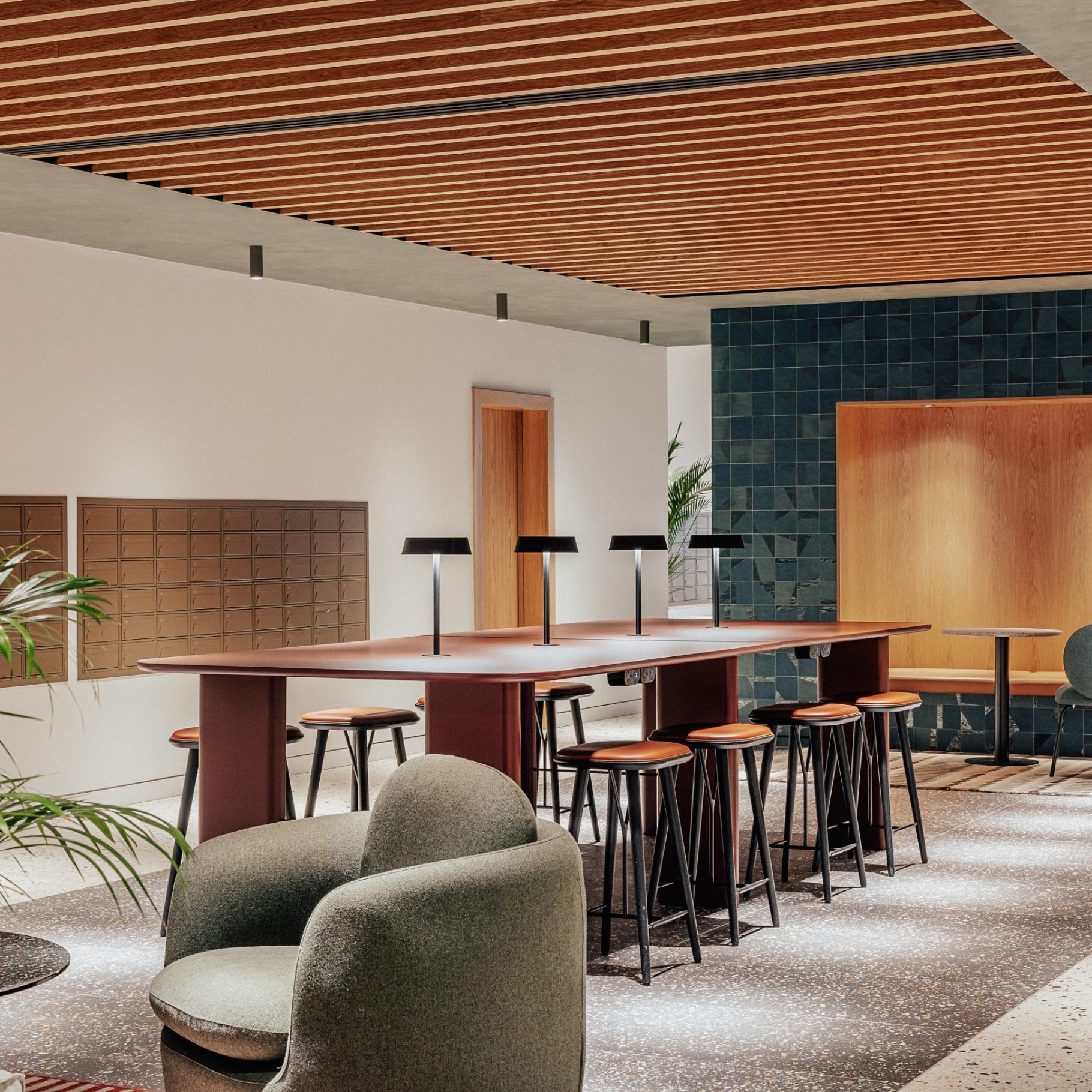
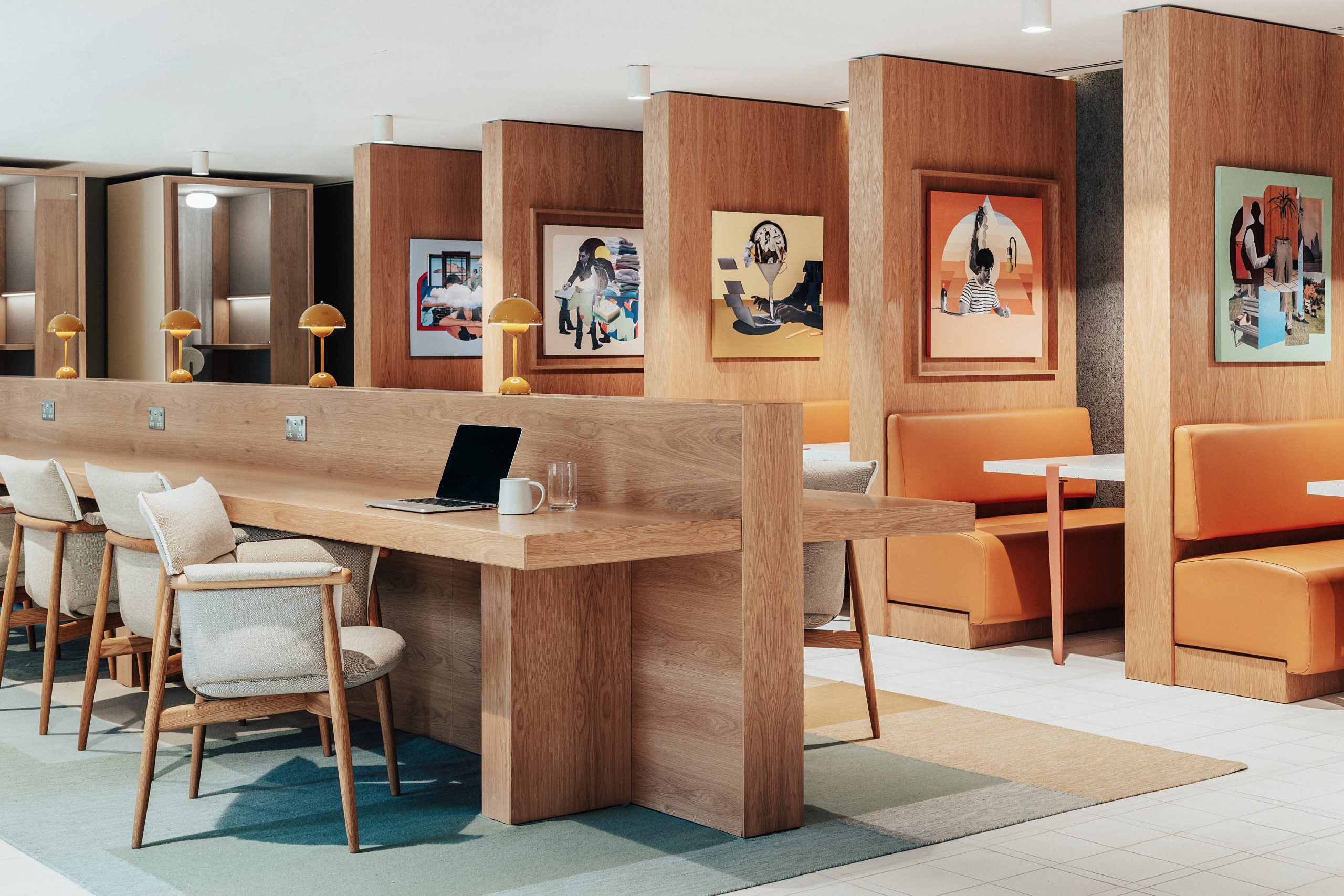
REBEKKA: We designed inviting, flexible spaces that encourage work, social connection, and quiet reflection, with visual connections to well-designed external areas to promote belonging and wellbeing. The amenities layout encourages informal interactions between tenants through careful zoning within each space, catering to different needs and personalities. A good example of this can be seen in ‘The Den’- the co-working area – where we designed a mix of collaborative tables and lounge seating to promote exchange, as well as informal laptop stations and more intimate niche seating for quiet working. The amenity areas feature comfortable communal zones defined by warm colours, soft furnishings, and biophilic design. Locally commissioned artwork reinforces the connection to place.
What lifestyle trends or tenant expectations influenced your design choices, and how do you see these evolving in the BTR market?
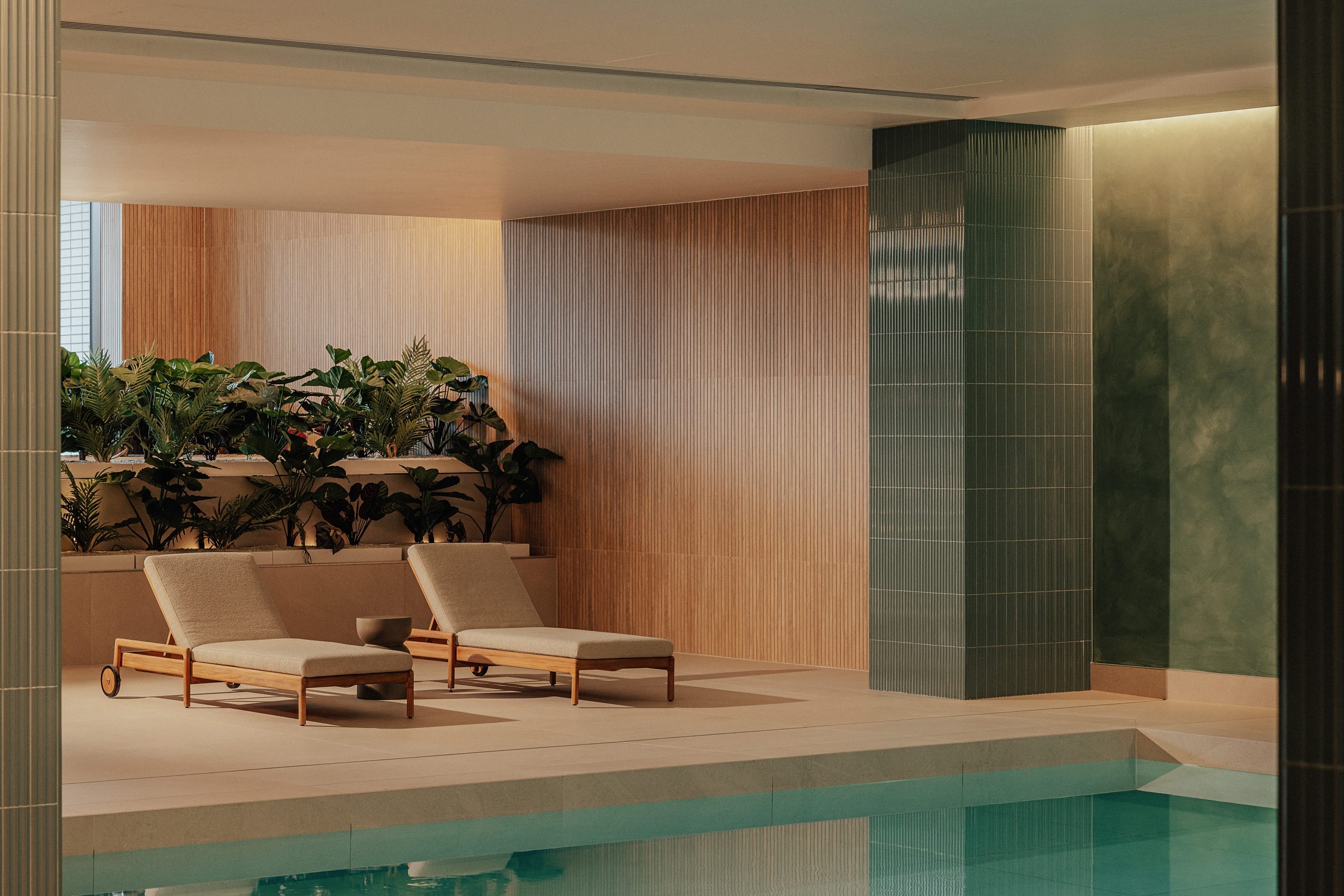
REBEKKA: One prominent lifestyle trend is the growing focus on physical and mental well-being. At The Maple, a range of wellness, fitness, and community spaces connects to the carefully curated courtyard gardens and green areas that form an integral part of Related Argent’s wider development. I believe that the provision of thoughtfully designed spaces that actively support residents’ well-being will continue to be a major draw.
Another influential trend is the shift in working patterns, particularly the increase in working from home. At The Maple, we’ve created a variety of purpose-designed environments that support both collaborative and individual work. This has already proven to be a highly valued amenity, and I expect demand for flexible, well-designed workspaces to remain an essential component of BTR developments.
From a designer’s perspective, what’s the biggest opportunity for developers to leverage interior design to strengthen their commercial success in BTR?
LUKE: I believe the greatest opportunity for developers lies in using interior design to establish a building’s distinct identity and genuine sense of place, especially when establishing a new neighbourhood like Brent Cross Town. Thoughtful, well-resolved design allows a development to stand out by creating environments that feel authentic, cohesive, and intuitive to live in. It goes beyond aesthetics – it’s about shaping how people experience and interact with the space, ensuring it supports flexibility, comfort, and everyday life. When done well, interiors don’t just look good – they build brand integrity, elevate value, and drive lasting commercial success.
